
Exploring Debt Consolidation Strategies: How to Regain Financial Freedom This Year sets the stage for a journey filled with valuable insights and practical advice. Dive into the world of financial freedom with a focus on effective debt management strategies.
The following paragraphs will delve into the specifics of debt consolidation methods, tips for selection, implementation strategies, and post-consolidation financial management.
Introduction to Debt Consolidation Strategies
Debt consolidation is a financial strategy where multiple debts are combined into a single loan with a lower interest rate. The main purpose of debt consolidation is to simplify debt management and reduce overall interest payments, making it easier for individuals to regain financial stability.
Benefits of Debt Consolidation
- Lower Interest Rates: By consolidating debts into one loan, individuals can often secure a lower interest rate, leading to reduced overall interest expenses.
- Single Monthly Payment: Instead of juggling multiple payments to different creditors, debt consolidation allows for a single monthly payment, making budgeting and tracking payments more manageable.
- Improved Credit Score: Consistently making on-time payments through a debt consolidation plan can help improve credit scores over time.
- Reduced Stress: Dealing with multiple creditors and due dates can be overwhelming. Debt consolidation simplifies the process, reducing stress associated with managing multiple debts.
- Clear Path to Debt Repayment: Having a structured debt consolidation plan provides a clear path to becoming debt-free, helping individuals regain control of their finances.
Types of Debt Consolidation Methods
Balance Transfers
Balance transfers involve moving high-interest credit card debt to a new credit card with a lower interest rate. This can help reduce the overall interest paid and simplify debt repayment. However, balance transfers often come with a fee, and the low introductory interest rate may increase after a certain period.Debt Consolidation Loans
Debt consolidation loans involve taking out a new loan to pay off multiple debts, consolidating them into one monthly payment. These loans typically have a fixed interest rate and repayment term, making it easier to budget. However, eligibility requirements may include a good credit score and sufficient income to qualify for a loan.Debt Management Plans
Debt management plans are offered by credit counseling agencies to help individuals repay their debts through a structured repayment plan. These plans may lower interest rates, waive fees, and consolidate monthly payments into one. However, participation in a debt management plan may impact credit scores and require a commitment to stick to the plan.By understanding the differences between these debt consolidation methods and their eligibility criteria, individuals can choose the option that best suits their financial situation and goals.Tips for Choosing the Right Debt Consolidation Strategy
When it comes to selecting a debt consolidation strategy, there are several factors to consider to ensure it aligns with your financial goals and circumstances. Taking the time to evaluate your options and seek professional advice can make a significant difference in your journey towards financial freedom.Factors to Consider when Choosing a Debt Consolidation Strategy
- Interest Rates: Compare the interest rates of your current debts with the rates offered by the consolidation method. Ensure that the new rate is lower to save money in the long run.
- Monthly Payments: Evaluate if the new monthly payment under the consolidation plan is manageable within your budget. It should not add additional financial strain.
- Loan Terms: Understand the terms of the consolidation loan, including repayment period, fees, and any penalties for early repayment. Choose a plan that fits your timeline and financial goals.
- Impact on Credit Score: Consider how the consolidation strategy may affect your credit score. Some methods may have a temporary negative impact, so weigh the pros and cons carefully.
Step-by-Step Guide to Evaluating Debt Consolidation Options
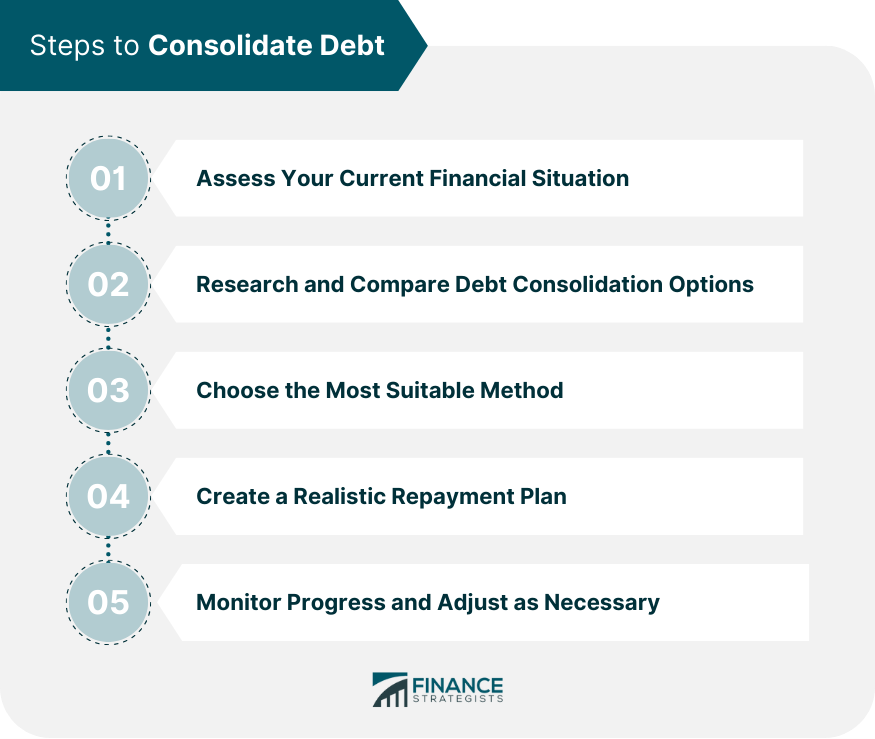
- Assess Your Current Debts: Make a list of all your debts, including amounts owed, interest rates, and monthly payments.
- Research Consolidation Methods: Explore different debt consolidation options such as balance transfer, personal loan, or debt management plan.
- Calculate Total Costs: Determine the total amount you will pay with each consolidation method, including interest and fees.
- Compare Benefits and Risks: Analyze the advantages and disadvantages of each strategy based on your financial situation and goals.
- Consult with a Financial Advisor: Seek guidance from a financial advisor or credit counselor to help you make an informed decision.
Remember, the right debt consolidation strategy should not only lower your interest rates but also simplify your payments and help you pay off your debt faster.
Importance of Seeking Professional Advice
Seeking professional advice before choosing a debt consolidation method can provide valuable insights and ensure you select the most suitable option for your financial situation. Financial advisors can offer personalized recommendations based on your unique circumstances and help you navigate the complexities of debt consolidation.
Implementing Debt Consolidation Strategies
Once you have chosen the right debt consolidation method, it is important to understand the process of consolidating your debts and how to negotiate with creditors for better terms. Staying organized throughout this process is key to successfully regaining your financial freedom.
Consolidating Debts with Chosen Method
Whether you opt for a balance transfer, debt consolidation loan, or debt management plan, the first step is to gather all your debt information, including outstanding balances, interest rates, and payment schedules. Once you have a clear picture of your debts, you can proceed with the consolidation process.
Negotiating with Creditors
- Communicate openly with your creditors and explain your situation honestly.
- Propose a revised payment plan that is more manageable for you.
- Ask for lower interest rates or waivers on late fees to make repayment easier.
- Get any agreements in writing to avoid misunderstandings in the future.
Staying Organized Checklist
- Keep track of all communication with creditors, including emails, letters, and phone calls.
- Create a budget to ensure you can make timely payments on your consolidated debt.
- Set up automatic payments or reminders to avoid missing any payments.
- Regularly review your progress and make adjustments as needed.
Managing Finances After Debt Consolidation
After successfully consolidating your debts, it is crucial to implement effective financial management strategies to ensure you stay on track towards financial stability. This includes budgeting techniques, creating an emergency fund, and improving your credit score post-consolidation.Budgeting Techniques
- Track your income and expenses meticulously to create a realistic budget.
- Identify areas where you can cut back on spending to allocate more towards debt repayment and savings.
- Set financial goals and prioritize debt payments within your budget.
Importance of Creating an Emergency Fund
Having an emergency fund is essential to prevent unexpected expenses from derailing your financial progress post-consolidation. It acts as a financial safety net and helps you avoid accumulating more debt in case of emergencies.
Experts recommend saving at least three to six months' worth of living expenses in your emergency fund.
Strategies for Improving Credit Scores
- Regularly monitor your credit report for errors and address them promptly.
- Make timely payments on all your debts to demonstrate responsible financial behavior.
- Keep your credit utilization low and avoid opening new credit accounts unnecessarily.
Last Word
In conclusion, Debt Consolidation Strategies: How to Regain Financial Freedom This Year offers a roadmap to escaping the burden of debt and paving the way to a more secure financial future. Take charge of your finances and embark on a journey towards lasting stability.
Commonly Asked Questions
What factors should be considered when selecting a debt consolidation strategy?
Factors to consider include interest rates, total debt amount, repayment terms, and any associated fees. It's essential to choose a strategy that aligns with your financial goals and capabilities.
How can I improve my credit score after consolidating debts?
To improve your credit score, focus on making timely payments, keeping credit utilization low, and monitoring your credit report for errors. Consistent financial discipline is key to rebuilding credit post-consolidation.
Is professional advice necessary before choosing a debt consolidation method?
While not mandatory, seeking professional advice can provide valuable insights and help tailor a strategy to your specific financial situation. Consulting with experts can enhance the effectiveness of your debt consolidation plan.