

The Evolution of Business Credit Scores and Their Impact on Loan Rates sets the stage for this enthralling narrative, offering readers a glimpse into a story that is rich in detail and brimming with originality.
This article explores the significance of business credit scores, key factors influencing them, the evolution of credit scoring systems, and the impact of credit scores on loan rates.
The Importance of Business Credit Scores
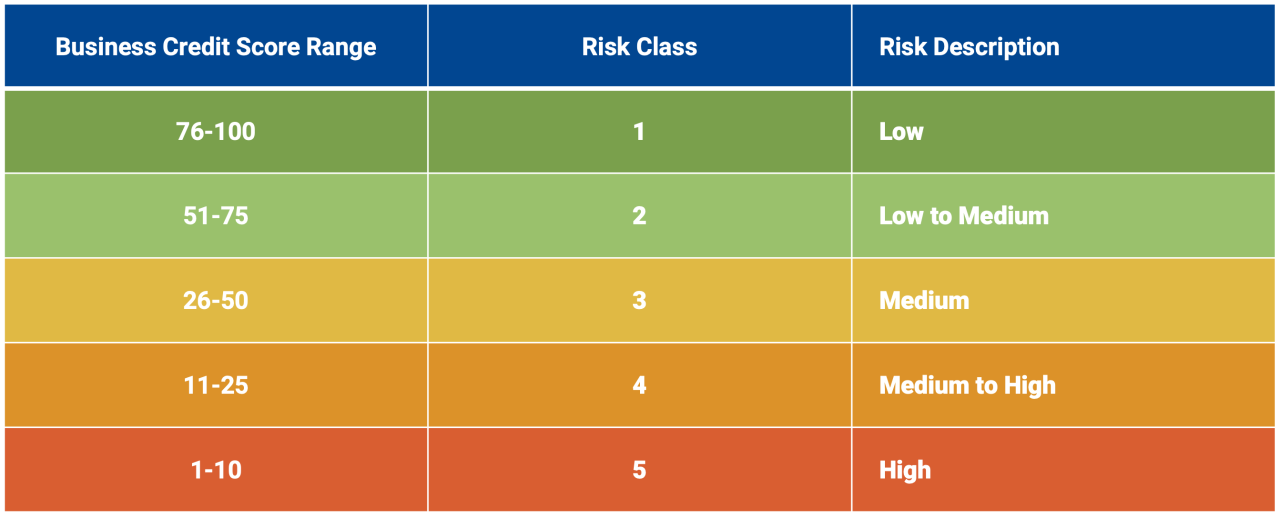
Positive Impact of Good Credit Score on Loan Rates
- Lower Interest Rates: Businesses with high credit scores are more likely to qualify for lower interest rates on loans, saving them money in the long run.
- Higher Loan Amounts: Lenders are more willing to offer higher loan amounts to businesses with good credit scores, allowing them to access more capital for growth and expansion.
- Faster Approval Process: With a strong credit score, businesses can often expedite the loan approval process as lenders have more confidence in their ability to repay the loan.
Assessment of Creditworthiness by Lenders
- Lenders use business credit scores to evaluate the risk associated with lending money to a business. A low credit score may indicate a higher risk of default, leading to higher interest rates or difficulty in securing a loan.
- Business credit scores also reflect the financial health and stability of a business, providing lenders with insight into its ability to manage debt and meet financial obligations.
- Overall, a good credit score can open doors to better financing opportunities and help businesses establish a solid financial reputation in the market.
Factors Influencing Business Credit Scores
In order to understand business credit scores better, it is important to identify the key factors that contribute to how these scores are calculated.Payment History
Payment history is one of the most significant factors that influence a business credit score. It reflects how reliably a business has paid its bills on time. Late payments or missed payments can have a negative impact on the credit score, while a history of timely payments can boost the score significantly.Credit Utilization
Credit utilization refers to the ratio of the amount of credit being used to the total credit available to a business. High credit utilization can indicate financial strain and may lower the credit score. It is generally recommended to keep credit utilization below 30% to maintain a healthy credit score.Evolution of Business Credit Scoring Systems
Credit scoring systems have come a long way in the business world, evolving significantly over time to meet the changing needs of lenders and borrowers. Let's explore the historical development of business credit scoring systems and how technology has influenced this evolution.Traditional vs. Modern Credit Scoring Methods
When we look back at the traditional credit scoring methods used in the past, we see a reliance on manual processes and limited data points to assess a business's creditworthiness. These methods were often time-consuming and prone to human error. In contrast, modern credit scoring approaches leverage advanced algorithms and machine learning techniques to analyze a wide range of data quickly and accurately- Traditional methods: Relied on manual processes and limited data points.
- Modern approaches: Utilize advanced algorithms and machine learning for faster and more accurate assessments.
Technology's Influence on Business Credit Scoring
The evolution of technology has played a crucial role in shaping the development of business credit scoring systems. With the advent of big data analytics, lenders can now access a wealth of information to assess a business's credit risk more effectively. Additionally, the use of automation has streamlined the credit evaluation process, making it faster and more efficient than ever before. As technology continues to advance, we can expect further enhancements in credit scoring systems that will provide even greater insights into a business's financial health.- Big data analytics: Provides access to a wealth of information for more effective credit risk assessment.
- Automation: Streamlines the credit evaluation process for increased efficiency.
Impact of Business Credit Scores on Loan Rates
When it comes to securing loans for business operations, the credit score of a company plays a crucial role in determining the interest rates offered by lenders. A low credit score can result in higher loan rates, making it more expensive for businesses to borrow money for growth and expansion.One significant advantage of having a high business credit score is the ability to access lower loan rates. Lenders view businesses with high credit scores as less risky borrowers, which translates to lower interest rates on loans. This means that companies with strong credit profiles can save a significant amount of money on interest payments over the life of a loan.Strategies for Improving Business Credit Scores
Improving a business credit score takes time and effort, but the benefits in terms of lower loan rates can be substantial. Some strategies to boost a business credit score include:- Timely payment of bills and invoices to demonstrate financial responsibility.
- Reducing the utilization of credit lines to show that the business is not overly reliant on borrowed funds.
- Regularly monitoring credit reports to identify and address any errors or discrepancies promptly.
- Establishing trade lines with suppliers and vendors to build a positive credit history.
- Working with creditors to negotiate payment terms and reduce outstanding debt.
Wrap-Up
In conclusion, understanding the evolution of business credit scores and their impact on loan rates is crucial for businesses seeking favorable financing options. By improving credit scores and implementing sound financial practices, businesses can access better loan rates and secure their financial future.
FAQ Summary
How do lenders use credit scores to assess a business's creditworthiness?
Lenders use credit scores as a quick measure of a business's credit risk, determining the likelihood of timely repayment based on past credit behavior.
What are some strategies for improving business credit scores to access better loan rates?
Some strategies include paying bills on time, reducing credit utilization, monitoring credit reports for errors, and establishing trade credit relationships.