
Exploring the landscape of digital wallets in the realms of Europe and Asia opens up a world of possibilities. As we delve into the intricacies of cross-border payments, a journey of innovation and challenges unfolds, promising insights into the future of financial transactions.
The evolution of digital wallets and the dynamic regulatory environments shape the narrative of convenience and security in an ever-connected world.
Introduction to Digital Wallets
Digital wallets, also known as e-wallets, are virtual platforms that allow users to store, manage, and transact money electronically. They have become increasingly popular in the financial industry, revolutionizing the way people make payments and manage their finances.
Evolution of Digital Wallets
Initially developed as a convenient alternative to carrying physical cash or cards, digital wallets have evolved to offer a wide range of functionalities. From online shopping to peer-to-peer transfers, digital wallets have become an integral part of the digital economy.
Benefits of Digital Wallets
- Convenience: Digital wallets provide a seamless and efficient way to make payments anytime, anywhere, without the need to carry physical cash or cards.
- Security: With advanced encryption technologies and authentication methods, digital wallets offer secure transactions, reducing the risk of fraud or theft.
- Rewards and Discounts: Many digital wallet providers offer rewards programs and discounts for using their platform, providing additional incentives for consumers.
- Cost-Effective: Digital wallets can help reduce transaction fees and currency exchange costs, making cross-border payments more affordable for businesses and consumers.
Cross-Border Payment Challenges in Europe and Asia
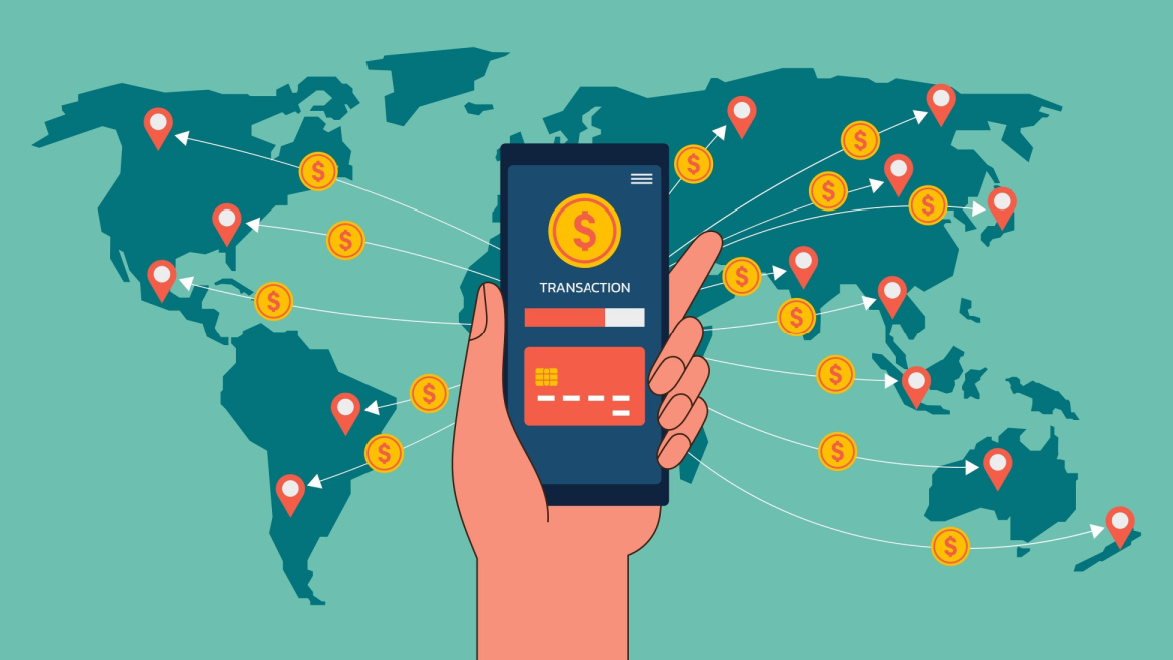
When it comes to cross-border payments in Europe and Asia, there are several challenges that businesses and individuals face. These challenges can range from regulatory differences to currency exchange rates impacting the cost and speed of transactions.
Regulatory Frameworks in Europe and Asia
The regulatory frameworks in Europe and Asia vary significantly when it comes to cross-border payments. In Europe, the European Union has implemented the Payment Services Directive (PSD2) to regulate payment services and improve security. On the other hand, Asia has a more fragmented regulatory landscape, with each country having its own set of rules and regulations governing cross-border payments.
Impact of Currency Exchange Rates
Currency exchange rates play a crucial role in cross-border transactions in both Europe and Asia. Fluctuations in exchange rates can affect the cost of transactions, making it unpredictable for businesses and individuals. Additionally, high exchange rate fees can significantly impact the overall amount received by the recipient, leading to financial losses.
Innovations in Digital Wallet Technology
Digital wallets have seen significant advancements in technology to meet the growing demand for seamless cross-border payments. One of the key technological innovations driving this progress is the integration of blockchain and cryptocurrency into digital wallet platforms. These technologies offer enhanced security, transparency, and speed in international transactions, revolutionizing the way we transfer funds globally.Integration of Blockchain and Cryptocurrency
Blockchain technology, known for its decentralized and tamper-proof nature, is being leveraged to secure transactions and data within digital wallets. By utilizing blockchain, digital wallets can provide a secure and immutable ledger of transactions, reducing the risk of fraud and unauthorized access. Cryptocurrencies, such as Bitcoin and Ethereum, are also being integrated into digital wallets to enable borderless payments and lower transaction fees compared to traditional banking systems.Innovative Features for Security and Convenience
Digital wallet providers are introducing innovative features to enhance security and convenience for users engaging in cross-border payments. Biometric authentication, such as fingerprint or facial recognition, adds an extra layer of security to verify transactions. Multi-factor authentication methods, like SMS verification or hardware tokens, further safeguard user accounts from unauthorized access. Additionally, some digital wallets offer real-time currency conversion, enabling users to make payments in different currencies without the need for manual conversionsMarket Trends and Adoption Rates
 Digital wallets have been experiencing significant growth in both Europe and Asia, with consumers and businesses increasingly turning to this convenient payment method. The market trends and adoption rates provide valuable insights into the evolving landscape of digital payments in these regions.
Europe
- Europe has seen a steady rise in the adoption of digital wallets, driven by the convenience and security they offer to users.
- Countries like the UK, Germany, and France have witnessed a significant increase in the use of digital wallets for both online and in-store purchases.
- The European market is also characterized by the emergence of new players offering innovative features and services to attract users.
Asia
- Asia leads the global digital wallet market, with countries like China and India driving the growth in adoption rates.
- Mobile payment platforms like Alipay and WeChat Pay have become dominant players in the Asian market, transforming the way people make transactions.
- The rise of digital wallets in Asia can be attributed to the widespread smartphone penetration and the convenience they provide in a region where cashless payments are increasingly preferred.
Factors Influencing Growth
- The increasing smartphone penetration and internet connectivity in both Europe and Asia have been key drivers in the growth of digital wallet adoption.
- Security features offered by digital wallets, such as biometric authentication and tokenization, have boosted consumer confidence in using this payment method.
- The push towards a cashless society, coupled with the convenience and speed of digital wallets, has led to a surge in their acceptance for cross-border transactions.
Case Studies and Success Stories
Digital wallets have revolutionized the way we make cross-border payments, offering a seamless and efficient solution for businesses and consumers alike. Let's explore some case studies and success stories of companies that have successfully implemented digital wallet solutions for international transactions.Case Study 1: Company A
- Company A, a global e-commerce retailer, faced challenges with high transaction fees and slow payment processing times when dealing with international customers.
- By integrating a digital wallet solution, Company A was able to streamline their payment processes, reducing transaction costs and improving efficiency.
- As a result, Company A saw a significant increase in customer satisfaction, with faster payment processing times and a more convenient checkout experience for their international clients.
Case Study 2: Company B
- Company B, a multinational corporation, struggled with complex currency conversions and lengthy settlement times when conducting cross-border transactions.
- By adopting a digital wallet platform, Company B was able to simplify the payment process, eliminating the need for manual currency conversions and reducing settlement times.
- This led to substantial cost savings for Company B, as they were able to avoid high exchange rate fees and improve the accuracy of their international payments.
Success Story: Company C
- Company C, a financial services provider, wanted to offer their customers a convenient and secure way to make cross-border payments.
- By implementing a digital wallet solution, Company C was able to enhance their customers' experience by providing a user-friendly platform for international transactions.
- The adoption of digital wallets by Company C resulted in increased customer loyalty, as clients appreciated the speed, security, and ease of use offered by the new payment method.
Last Point
In the realm of digital wallets, the path forward is paved with technological advancements and market dynamics. As we navigate through the complexities of cross-border payments, the horizon shines bright with potential and growth, offering a glimpse into a future where borders blur and transactions transcend boundaries.
Key Questions Answered
What are the key benefits of using digital wallets for cross-border payments?
Digital wallets offer speed, convenience, and security for international transactions, making them a preferred choice for consumers and businesses alike.
How do regulatory frameworks differ between Europe and Asia for cross-border payments?
While Europe has a more unified regulatory approach, Asia's frameworks vary widely, posing challenges for seamless cross-border transactions.
What role does blockchain and cryptocurrency play in enhancing digital wallet technology?
Blockchain and cryptocurrency integration in digital wallets provides added security and transparency, revolutionizing the way cross-border payments are conducted.